



台中市的道路變亮了!市府執行節能路燈汰換計畫,陸續拆除老舊耗電的路燈,安裝新的高流明LED節能燈具,打造明亮安全的夜間光環境,並大幅降低能源消耗與碳排放,一盞盞路燈正點亮台中的永續之路。
Taichung,s streets are getting brighter! The city is replacing outdated, energy-intensive streetlights with high-lumen LED fixtures to improve nighttime safety and visibility. The program also significantly reduces energy use and carbon emissions, supporting Taichung,s broader push toward sustainability with each light contributing to a more livable, low-carbon city.
黑漆漆的夜裡,一盞盞路燈散發光明與溫暖,照亮民眾安全回家的路,也是守護交通安全的關鍵設施。為提升台中市路燈品質,台中市政府建設局2024年起推動LED節能路燈換裝工程,並持續將高耗能傳統鈉光燈更新為新式LED節能燈具;2025年加碼啟動「PFI節能路燈換裝暨維護計畫」(以下簡稱PFI計畫),累計更新全市11萬3,400盞路燈,今(2026)年也將持續升級照明設備,推動台中邁入高效節能的照明新紀元。
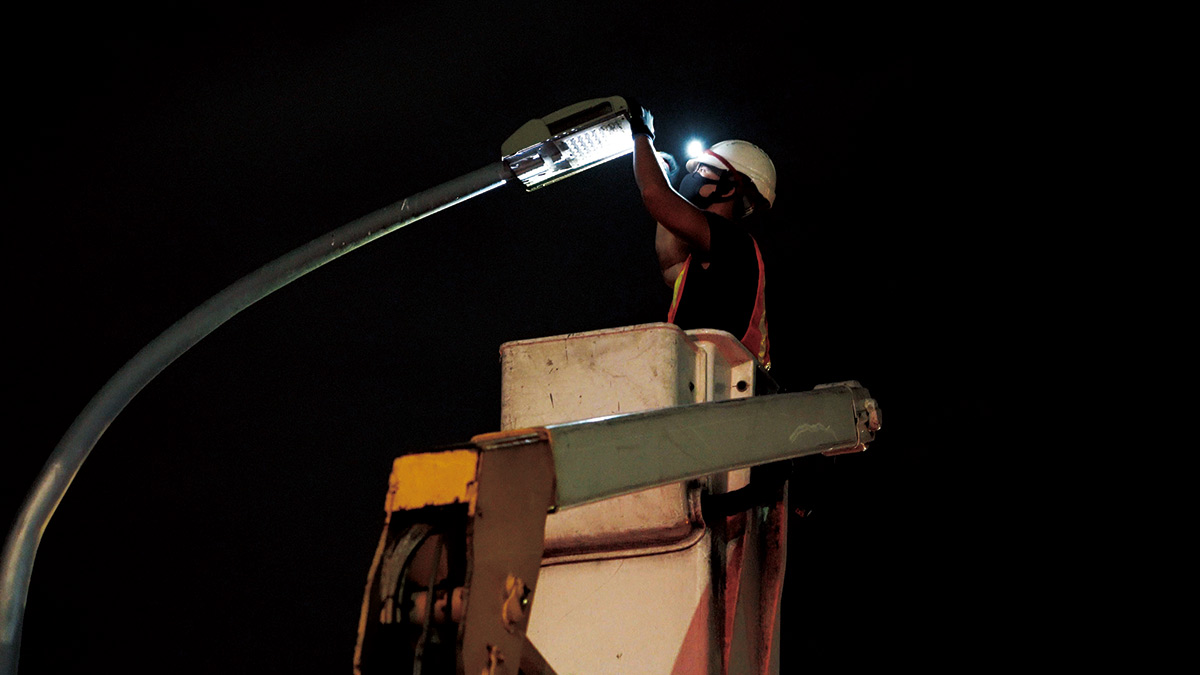
新的高流明LED節能燈具可提升夜間照明品質與行車安全。
3倍亮度升級
創造清晰夜間視野
傳統鈉光燈色溫偏黃,顯色效果差,夜間容易產生視覺昏暗。早在2023年,市府建設局就針對車潮洶湧、人流量大或肇事率高的路口,替換LED燈具並設置「四臂燈桿」,可擴大路燈照明範圍,提升約25%的照明亮度,包括台灣大道、文心路、環中路、市政特區道路等主要幹道與路口都已更新完畢,守護行人通行安全,落實人本交通的核心價值。
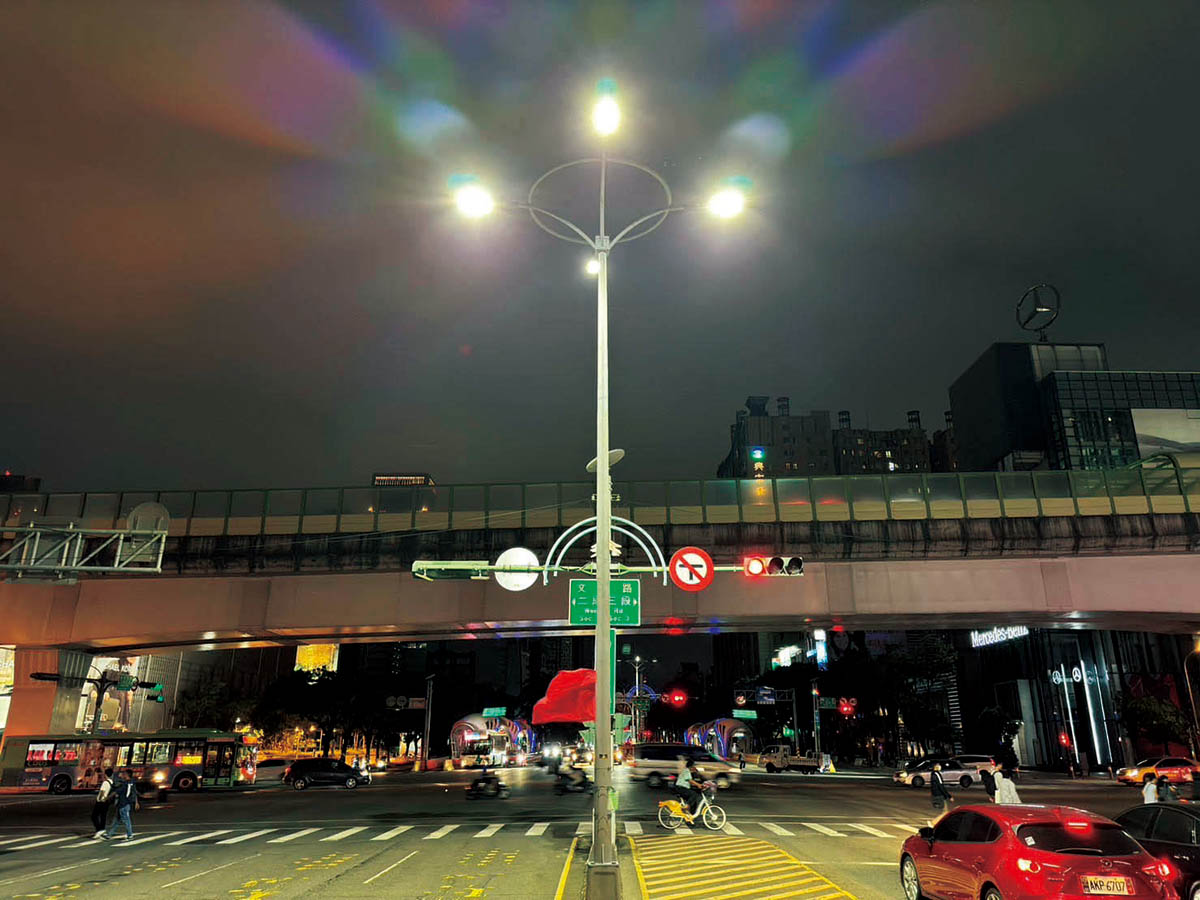
除了替換LED燈具,建設局也規劃於部分路段設置「四臂燈桿」,擴大照明範圍,提升照明亮度。
而透過PFI計畫,市府新裝設的新式節能LED燈具平均亮度增加為原本的3倍,且光照範圍均勻,大幅提升夜間照明品質,讓用路人視野變得更光亮清晰,有效確保交通安全。新式節能燈具更具備耐用性與長壽的優點,降低維修與更換頻率,減少環境負擔。
在車水馬龍的市區,全力強化照明需求,郊區的農田道路則貼心以LED燈搭配「遮光設計」,避免過亮的光源干擾農作物生長。設置景觀路燈的路段,也配合原設計更換造型燈泡,維持視覺的一致性,建設局因地制宜,打造符合在地需求的光環境,確保交通安全之餘,也兼顧生態平衡與都市美學。
年節電8,000萬度
註冊「碳權」邁向永續
PFI計畫推動「增亮減碳」成果豐碩,市府評估路燈全面汰換完畢後,每年可省下約8,000萬度電,減少約4萬公噸碳排放量,相當於2,063座文心森林公園的固碳量,減碳幅度驚人;財政方面,每年更能省下高達1.3億元電費,撙節開支成效出色。
去(2025)年底,建設局更將計畫送交環境部氣候變遷署「溫室氣體登錄平台」,申請自願減量碳權,獲環境部審議通過,成為台中市首例,透過路燈換裝申請碳權的專案,是邁向永續城市的重要里程碑。
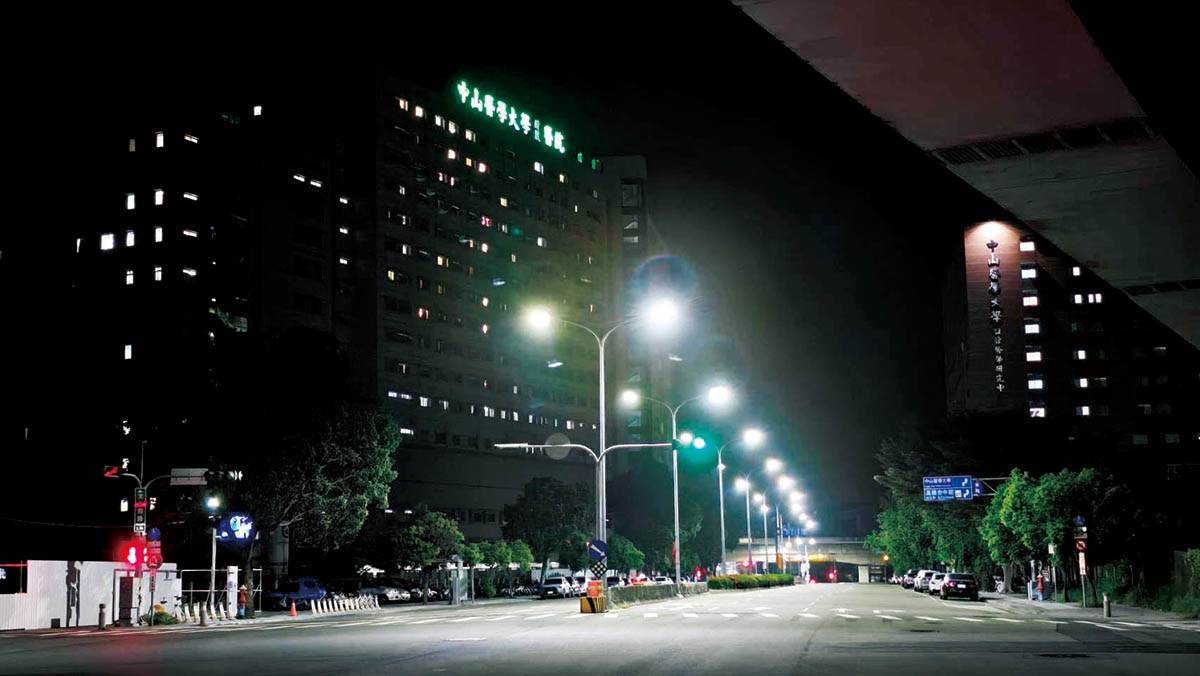
「PFI節能路燈換裝暨維護計畫」推動「增亮減碳」成果豐碩,也成為台中首例透過路燈換裝申請碳權的專案。
首批通過註冊的路燈節能專案,預估在未來10年內,可取得近3,000噸二氧化碳當量 (CO2e)的碳權。隨著全市路燈持續換裝升級,建設局也將逐批申請碳權,預計可再取得約1.7萬噸,總計2萬噸的碳權,成功將省下的電力能源,轉化為具體的「綠色資產」,打造台中成為名副其實的低碳都市。
「智能路燈」自動故障回報
維修效率高3倍
除了硬體升級之外,建設局在推動PFI計畫時,更首度導入「民間融資參與公共建設」(Private Finance Initiative, PFI)模式,透過引進民間企業的先進技術與靈活資金,成功提升公共建設效能,開創公私協力的城市治理新標竿。市府視燈具效能、品質與維修效率等成果支付費用,可有效節省管理成本、提升服務品質,公私協力推動智慧治理,無論在節能減碳與制度管理上,都是具挑戰性的創新嘗試。
PFI計畫建置的「智慧路燈管理系統」,預計今年8月底前,在全市安裝2萬3,500盞具備故障主動回報功能的「智能路燈」,智能路燈會優先安裝在偏鄉地區,或民眾不易通報的地點,結合物聯網科技即時監控,當故障訊號回傳至路燈管理中心時,都可快速派遣人員維修,並縮短處理時間。
藉由蒐集、分析大數據,路燈管理中心可以掌握維修熱點與常見故障類型,讓維修團隊提早準備修繕材料,超前部署做好風險控管。路燈維修時效也從早期的72小時,大幅縮短到24小時內完修,平均修復時間約8.7小時,維修效率大幅提升,可達三倍之多。民眾發現路燈故障時,也能透過1999市民專線、免付費專線0809-085-119(你幫我119)、區里Line群組或路燈牌上的QR code掃碼通報,利用多元管道加快通報速度,齊心守護城市光明。
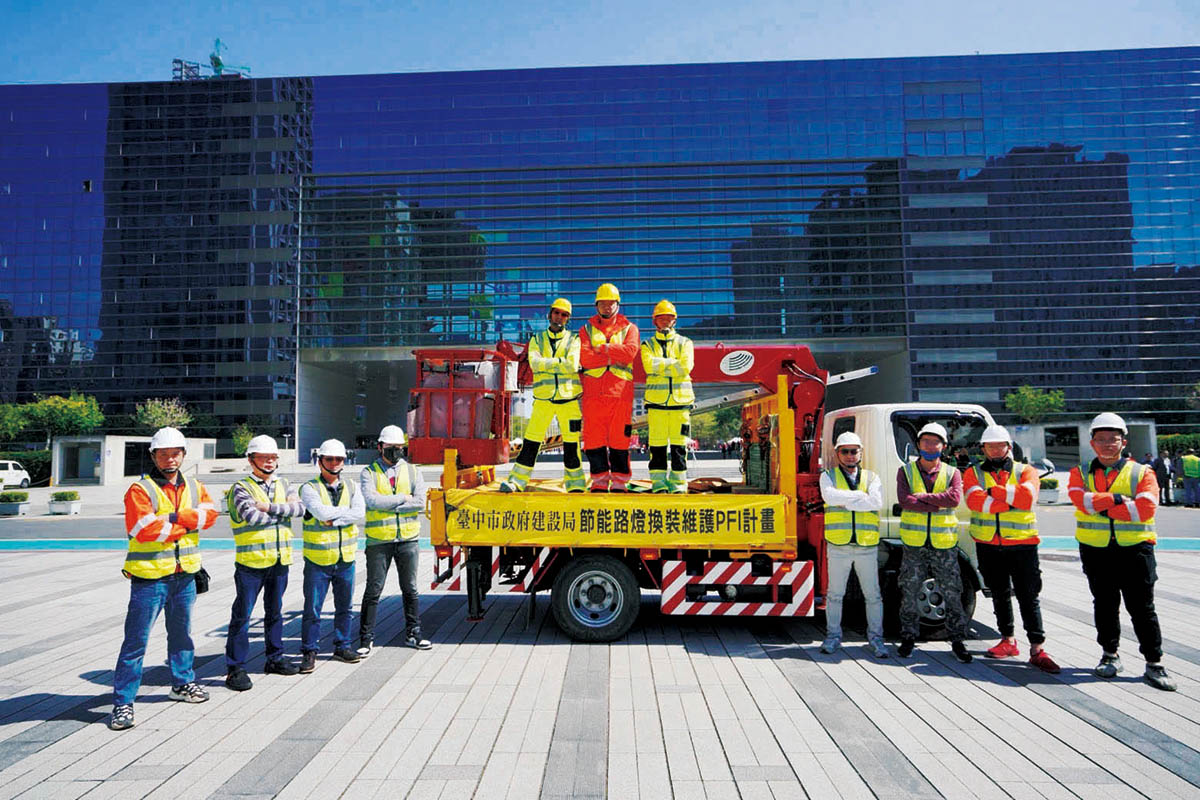
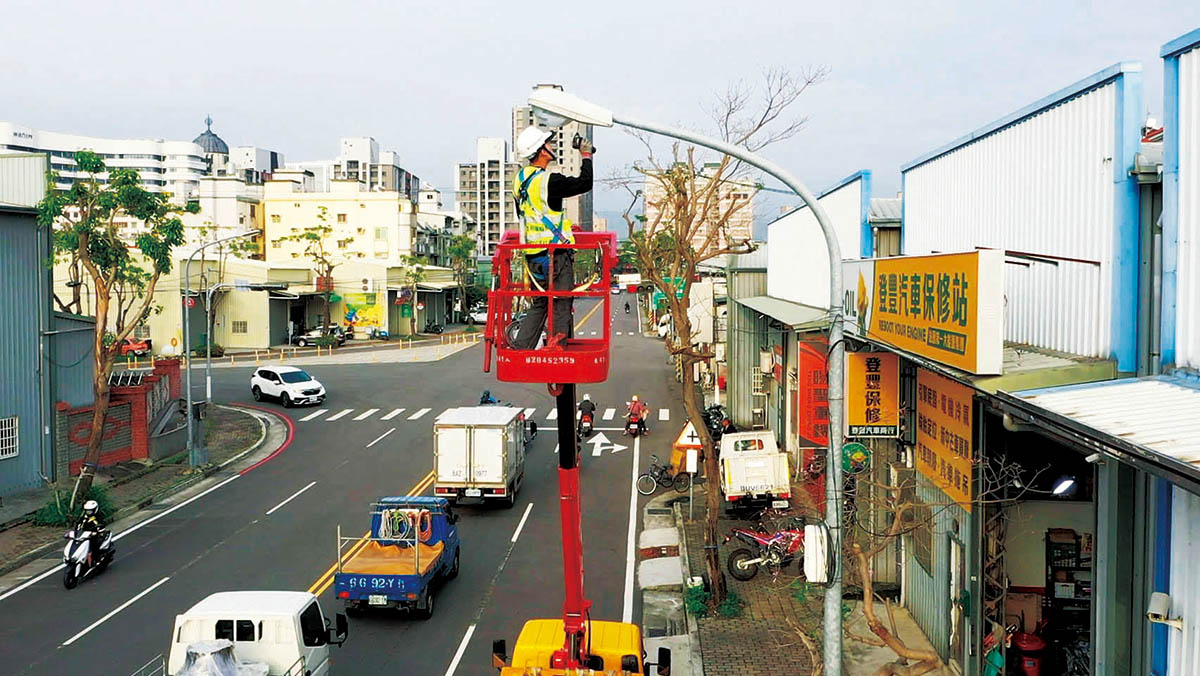 PFI計畫建置的智慧路燈管理系統,使路燈維修時效縮短至24小時內。
此外,由於PFI計畫採取「公私合作」方式,市府特地導入「廉政平臺」機制,與司法機關、專家學者、非營利組織等外部單位合作監督,建立公開透明的採購制度,杜絕貪瀆可能性,使計畫能在無外力干擾的狀態下順利進行,達到政府、企業、市民共好的三贏局面,實踐「富市台中、行人安全」的未來願景。
To improve public lighting, the Construction Bureau of the Taichung City Government launched a citywide LED streetlight replacement project in 2024, upgrading the existing high-energy sodium-vapor lamps. In 2025, the city expanded its efforts by introducing the PFI Streetlight Upgrade and Maintenance Program (hereinafter referred to as the PFI Program), bringing the total to 113,400 upgraded lights. Work will continue in 2026, marking a new phase in Taichung,s transition toward high-efficiency, energy-saving urban illumination.
Three Times Brighter,
Clearer Night Visibility
Traditional sodium-vapor lights cast a yellow, dim glow with poor color rendering that limits visibility at night. Since 2023, the Construction Bureau has upgraded lighting at busy and accident-prone intersections with LED fixtures and four-arm lamp posts, expanding coverage and increasing brightness by about 25 percent. Through the PFI Program, newer LED fixtures are now three times brighter and provide more even illumination, improving visibility and road safety. Their greater durability and longer lifespan also reduce maintenance needs and environmental impact.
The Construction Bureau has also implemented tailored lighting solutions across different settings. In busy urban areas, lighting performance is enhanced to meet higher demand, while in rural farm areas, LED lighting is paired with shielded lighting design to prevent excessive brightness from affecting crop growth. In areas with decorative street lighting, replacement fixtures are selected to match existing designs, maintaining visual consistency. By adapting lighting strategies to local conditions, the city is creating a lighting environment that meets diverse community needs, enhancing traffic safety while maintaining ecological balance and urban aesthetics.
Saving 80 Million kWh Annually,
Advancing Carbon Credits for Sustainability
The PFI Program has delivered remarkable results in both brighter lighting and lower emissions. Once fully implemented, it is expected to save about 80 million kWh of electricity and cut 40,000 metric tons of carbon emissions annually—equivalent to the carbon absorption of 2,063 Wenxin Forest Parks. The program could also reduce electricity costs by up to NT$130 million per year.
By the end of 2025, the Construction Bureau secured approval from the Climate Change Administration, Ministry of Environment, registering the project on the Mandatory Greenhouse Gas Reporting System for voluntary carbon credits. This marks Taichung,s first project to obtain carbon credits through streetlight upgrades—an important milestone toward a sustainable city. The first batch of registered projects is expected to generate nearly 3,000 metric tons of CO2e over ten years. With ongoing upgrades, the city aims to secure about 17,000 more, bringing the total to around 20,000 metric tons—translating energy savings into tangible green assets and fostering its transition toward a truly low-carbon city.
Smart Streetlights with
Automated Fault Reporting Triples Maintenance Efficiency
Beyond hardware upgrades, the PFI Program also marks the Construction Bureau,s first adoption of a Private Finance Initiative model for public infrastructure. By introducing advanced technologies and flexible funding from private-sector partners, the program has significantly improved the efficiency of public works and set a new benchmark for public–private collaboration in urban governance.
Under the program, the city has introduced a Smart Streetlight Management System, with plans to install 23,500 units equipped with automated fault-reporting functions across the city by the end of August this year. Priority will be given to rural areas and hard-to-report locations. Using Internet of Things (IoT) technology for real-time monitoring, the system enables fault signals to be transmitted directly to the control center, allowing rapid dispatch of maintenance crews and shorter response times. It also identifies maintenance hotspots and common failure patterns to support proactive management. Repair times have thus been cut from up to 72 hours to within 24 hours, with an average of 8.7 hours, representing a threefold increase in maintenance efficiency. Residents can report issues via multiple channels, including the 1999 hotline, the toll-free service line (0809-085-119), neighborhood LINE groups, or QR codes on streetlight poles.
As the PFI program operates under a public–private partnership model, the city government has also introduced a Procurement Integrity Platform to ensure transparency in the procurement process and prevent corruption, thereby creating a win–win outcome for government, private-sector partners, and the public.
(台中市政府新聞局廣告)

_20260327151937.jpg_280x210.jpg)
_20260401114709.jpg_280x210.jpg)

_20260325101730.jpg_280x210.jpg)
_20260326155521.jpg_280x210.jpg)
_20260413092350.jpg_280x210.jpg)